In April 2025, I asked KTuner about supporting my Japanese Honda Fit. It is now October 2026, and I have found a new way to pass the time.
I am writing my own tuning software.
Apparently, waiting for somebody to support my car was the sensible option. Developing software to communicate with its ECU is what happens when the sensible option leaves me alone for eighteen months.
The project is called Renntrace Flash Tuner. I am building it with Codex, using the KTuner v1.2 interface, and I am already using it to tune my own Fit.
Yes, the same Fit whose engine parts have been sitting in boxes while I developed an increasingly intimate relationship with the phrase “ECU support.”
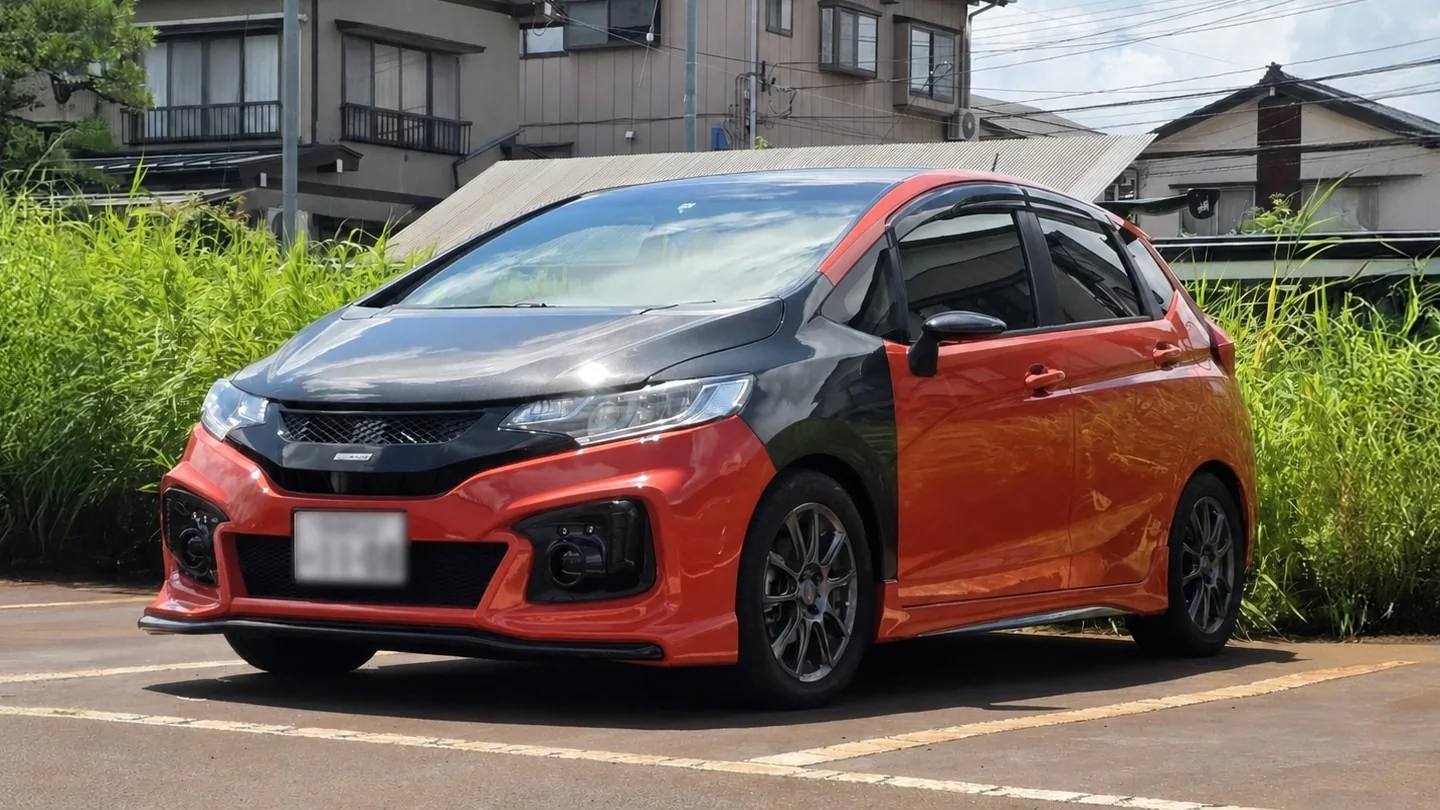
Eighteen months of waiting
I explained the original problem in All the Parts, None of the Software. My 2018 Japanese-market GK5 Fit RS uses a Japanese-market ECU that KTuner did not support. Owning a device with “Fit” on its application list did not make my particular computer more cooperative.
The first exchange was on April 14–15, 2025. KTuner said the 5R1 ECU was unsupported and that there were no plans to add it. Another exchange that April, about forum registration and getting help, left me bouncing between the forum and email.
I found the tone dismissive. The messages are below, so you can judge for yourself.
In January 2026, there was a possible route forward: reading the Japanese ECU through the interface. KTuner made clear on January 24 that reviewing the data did not guarantee support. I uploaded it on January 25. On July 24, the work was still in the queue.
That is roughly eighteen months since my first request, and nine months since the upload. KTuner had left the timing open. I simply stopped believing support was going to arrive soon enough to build a car around it.
The emails behind the wait
Excerpts from the April 2025 emails, with dates and context below each image.



Use the arrows or swipe to browse. Select an image to see it full size.
I could build it with Codex
Then I had the thought that usually precedes a new project and the disappearance of several evenings: could I build the software myself with Codex?
I already had the car, the interface, and a very specific reason to care. The missing part was the application that would let me work with my ECU.
So I started Renntrace Flash Tuner.
I bought a tuning interface, waited for software support, and eventually became the software support. I wanted to install pistons. Somehow, the prerequisite became developing a desktop application.
This is what happens when a car project acquires side quests.
Renntrace is already tuning my Fit
I am already tuning my Fit with Renntrace.
The support I have built into Renntrace covers KTuner’s supported ECUs and adds my Japanese ECU.
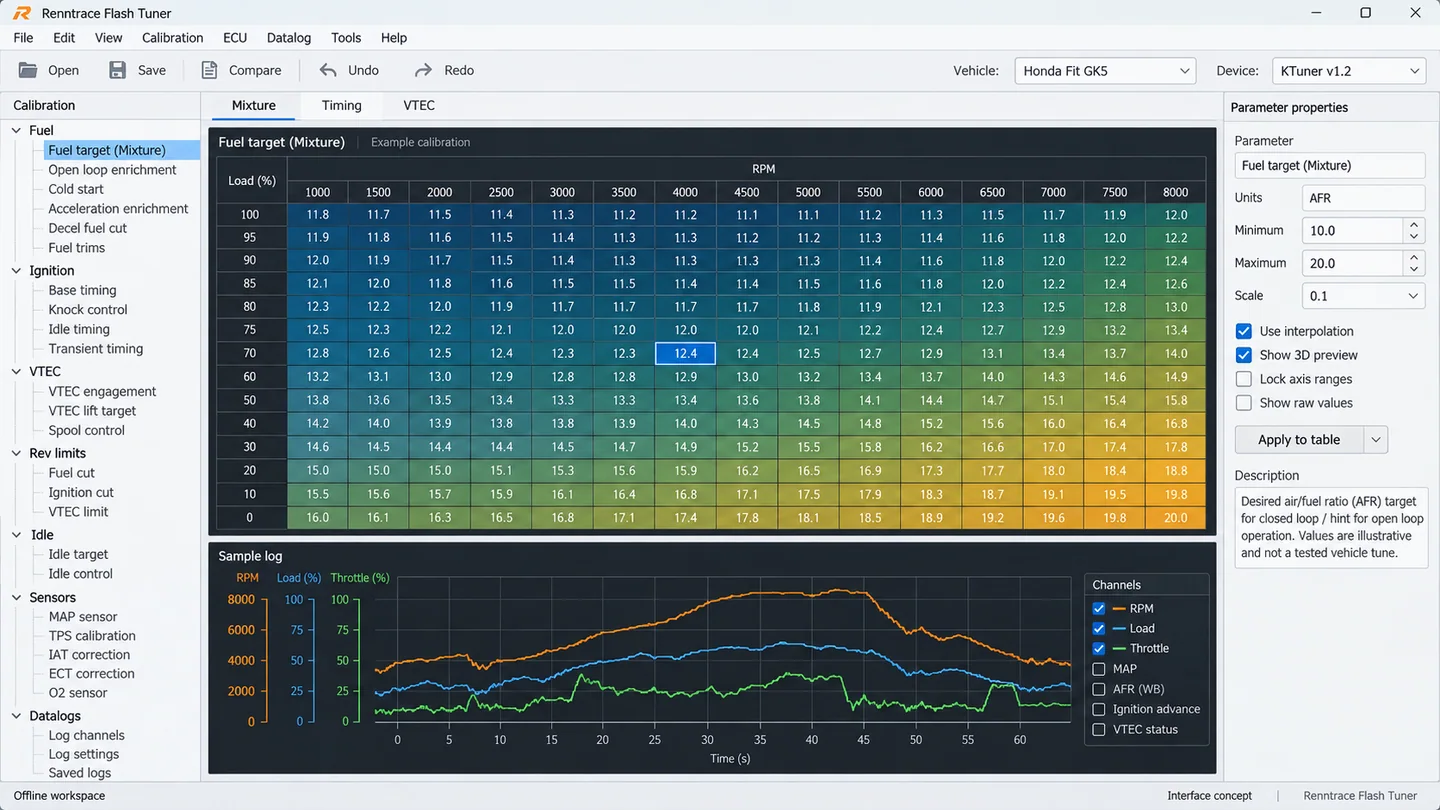
What I want to control
My priorities are the mixture, ignition timing, and VTEC. I need control over all three once the bigger changes finally move from cardboard to aluminum.
I also want the software to feel better to use. In my own use, Renntrace is faster, has fewer bugs, and gives me a better interface than the workflow I was dealing with before.
I wanted less fighting with the application and more time working on the car. The interface should help me do that without making every task feel like I am negotiating with a printer.
The software has to help me understand and control the car. A beautiful screen that quietly lets something important go wrong would be a rather expensive design award.
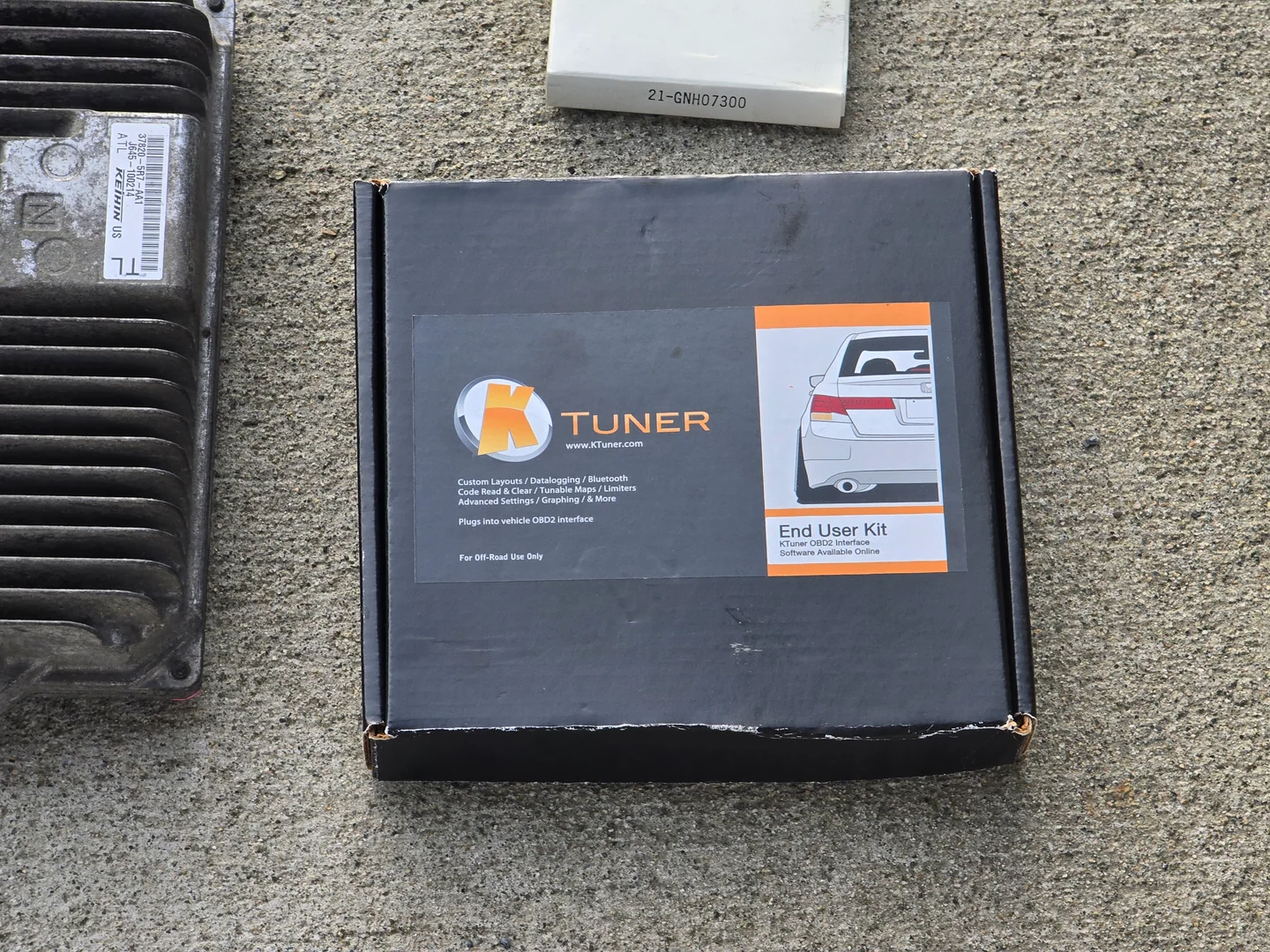
Connecting through the KTuner v1.2
I use the KTuner v1.2 interface to connect the computer to the car. Renntrace handles the tuning software on the computer.
Anyone using Renntrace will need compatible hardware, including if I eventually release the software for free.
I am also considering selling my own flashing interface someday.
I have already bought enough things for this project. I would like some of them to start earning their shelf space.
Engine work in spring 2027
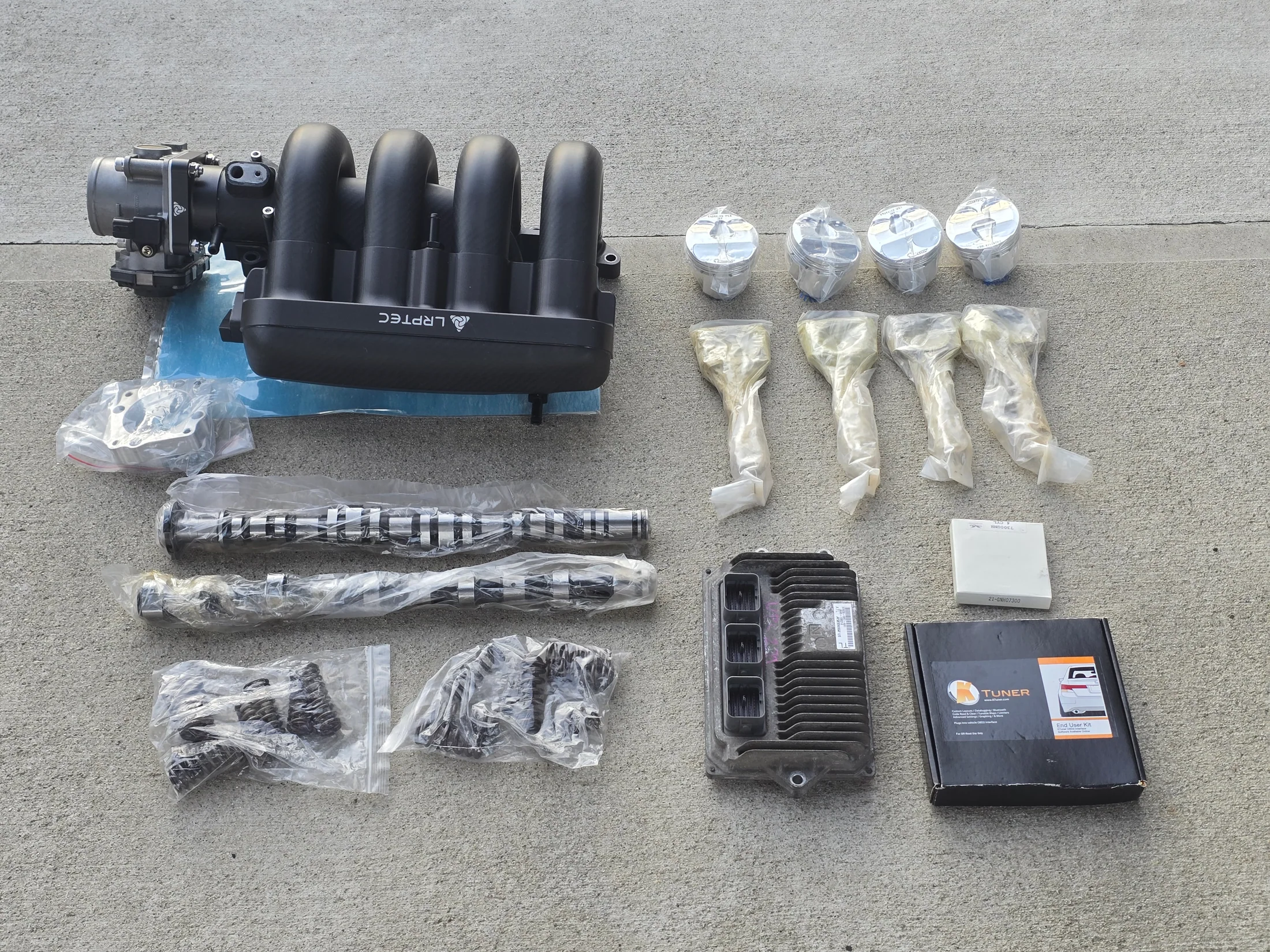
The forged pistons, rods, cams, and the rest of the engine parts are still in their boxes. Developing tuning software has not secretly assembled an engine while I was looking at the screen.
The plan is to install the parts and tune the combination after winter, in spring 2027. I want to compete on track in 2027, and the front brakes and new wheels are also on the list.
I am still aiming for 180 whp, naturally aspirated. I will post the numbers once the engine is built and tuned.
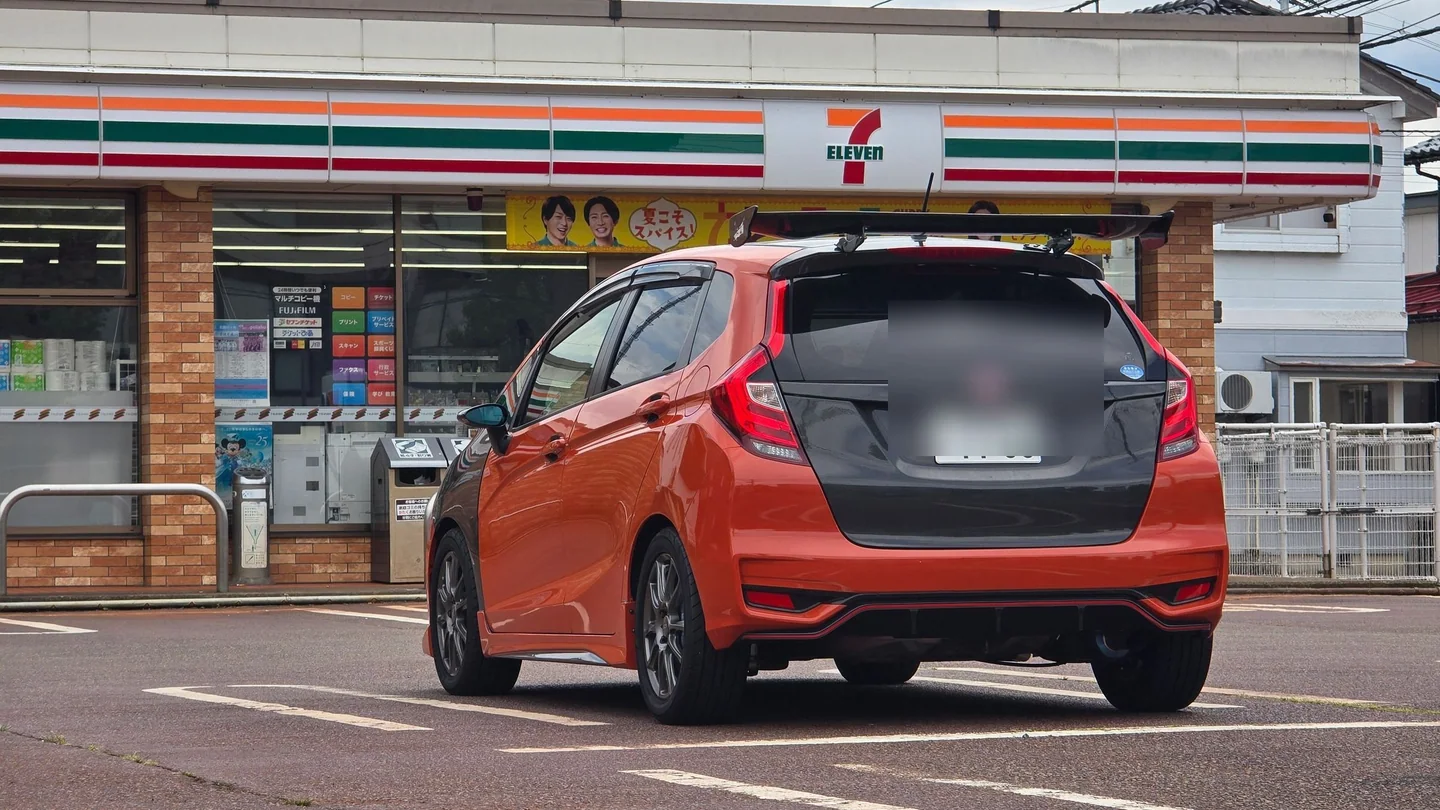
The Fit has already become the carbon-fiber family car I apparently needed. Now I would like the engine to catch up with the amount of visual confidence attached to the trunk.
The parts waiting for spring
The same engine parts from my earlier Fit articles, ready for the next stage of the build.
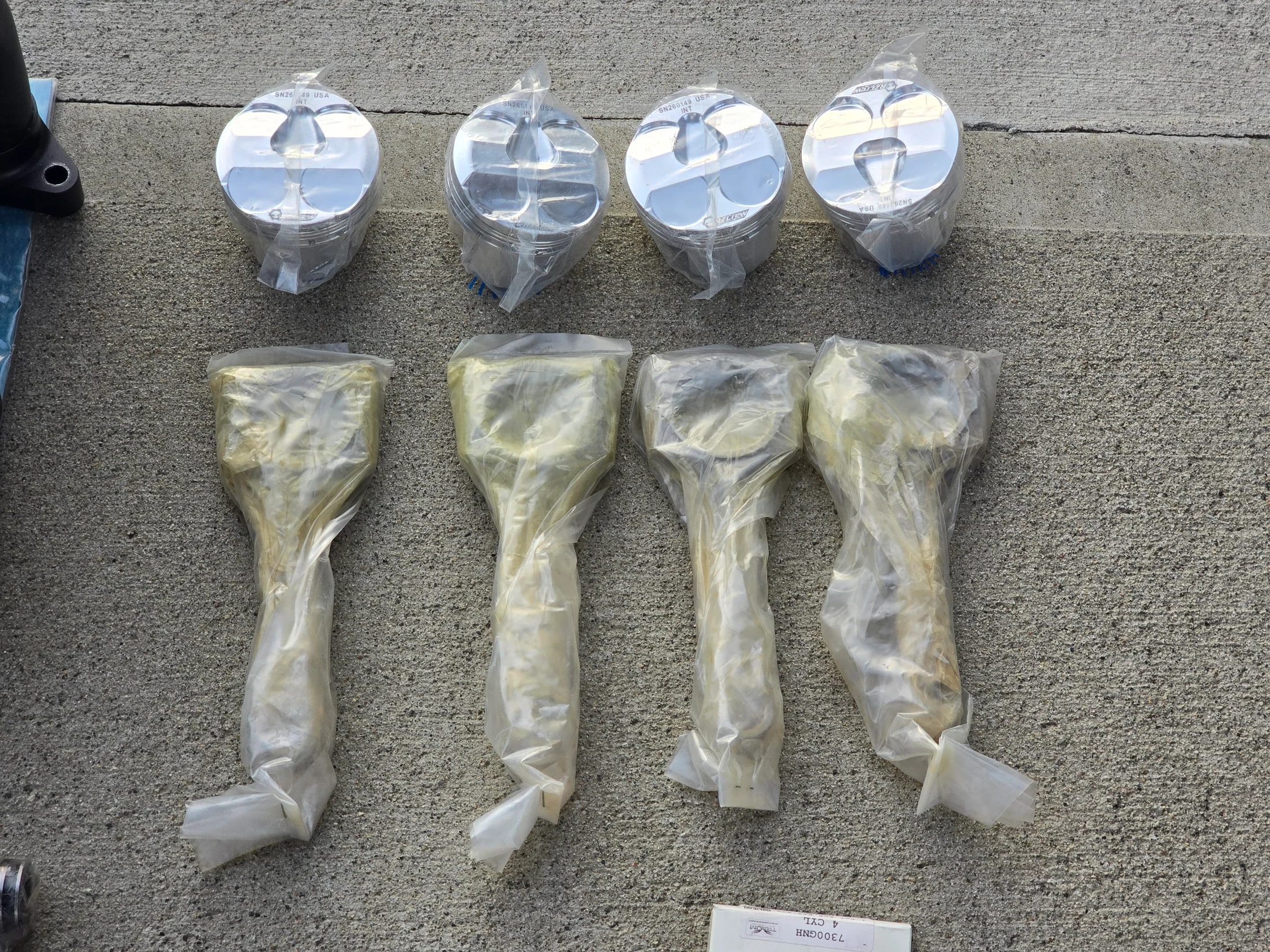
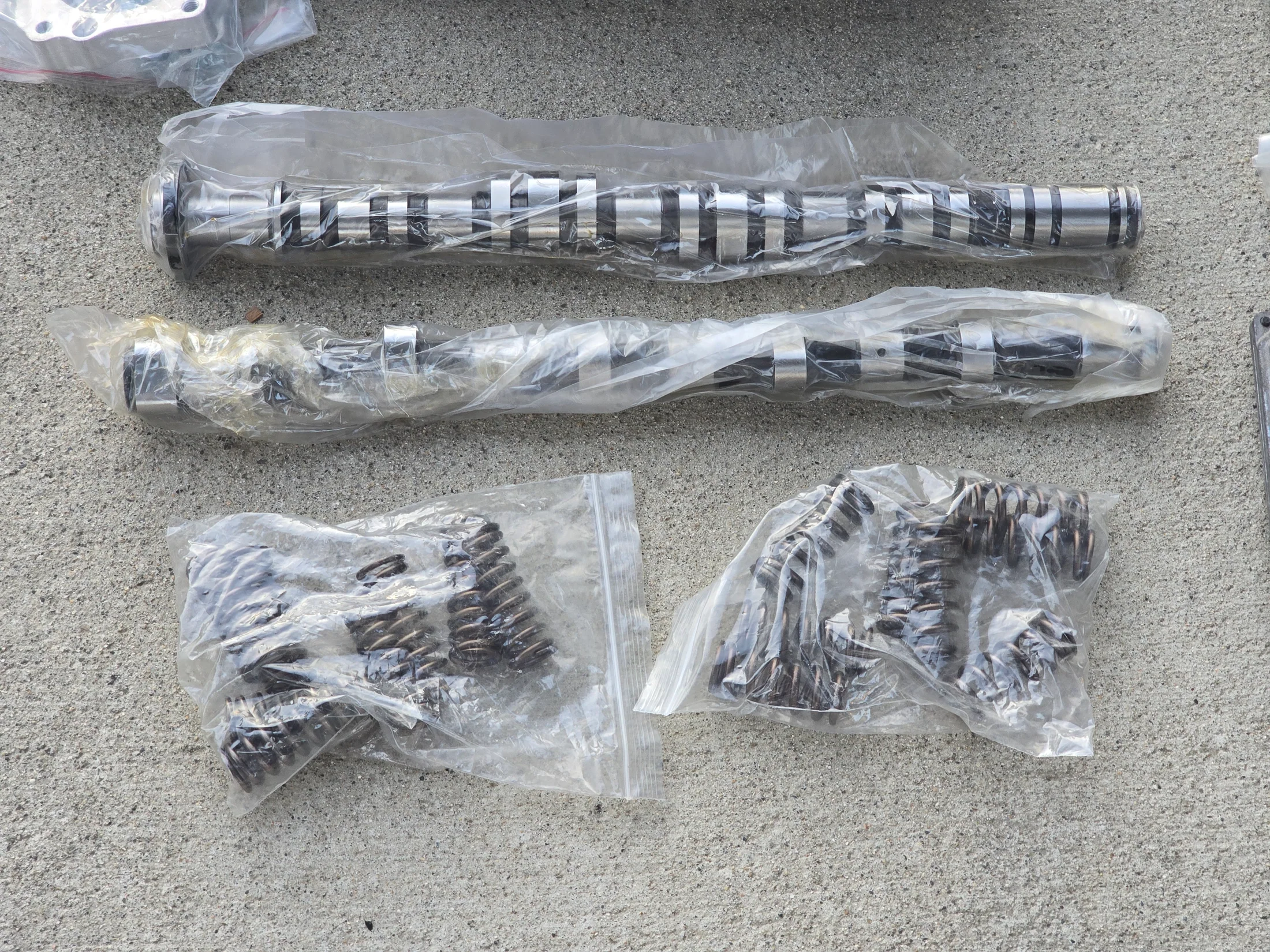
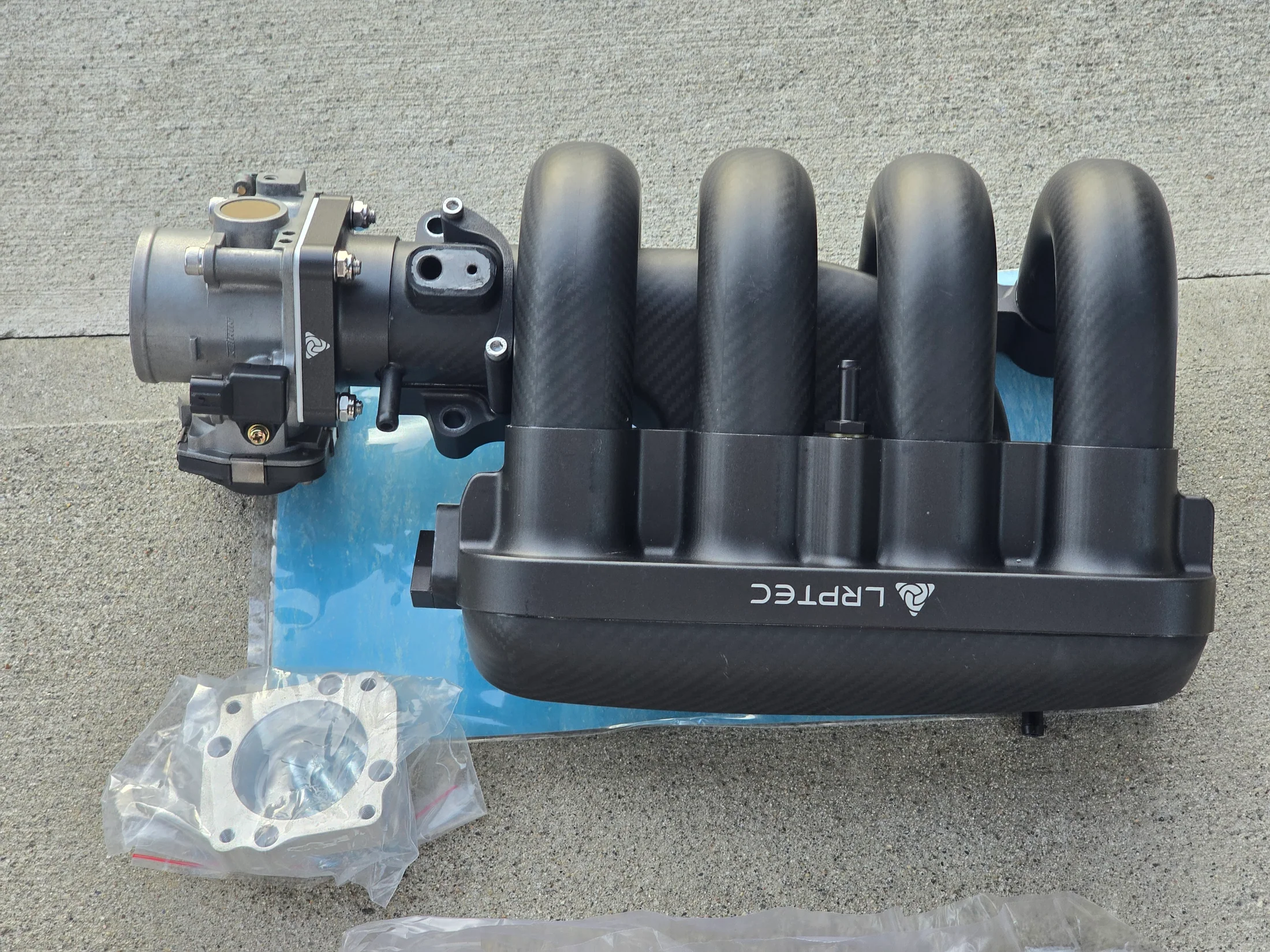
Use the arrows or swipe to browse. Select an image to see it full size.
Sharing Renntrace
If this project works out, I might release Renntrace as free, open-source software.
I would love to see other owners tuning their cars with it, especially people who already own the hardware and are stuck waiting for ECU support.
First, I want to finish something I can stand behind. Then I can work out how to release it and which cars I can support.
Naturally, I bought an Evo
While all of this has been happening, I bought a white Mitsubishi Lancer Evolution IX MR.
It cost ¥3.3 million—about US$20,886 at ¥158 to the dollar. It has more than 300,000 kilometers, and to me, it runs like new. It is awaiting delivery while the air conditioning is fixed.
The white Evo waiting for delivery
The actual car in its dealer listing, photographed before delivery. The air conditioning is being repaired.
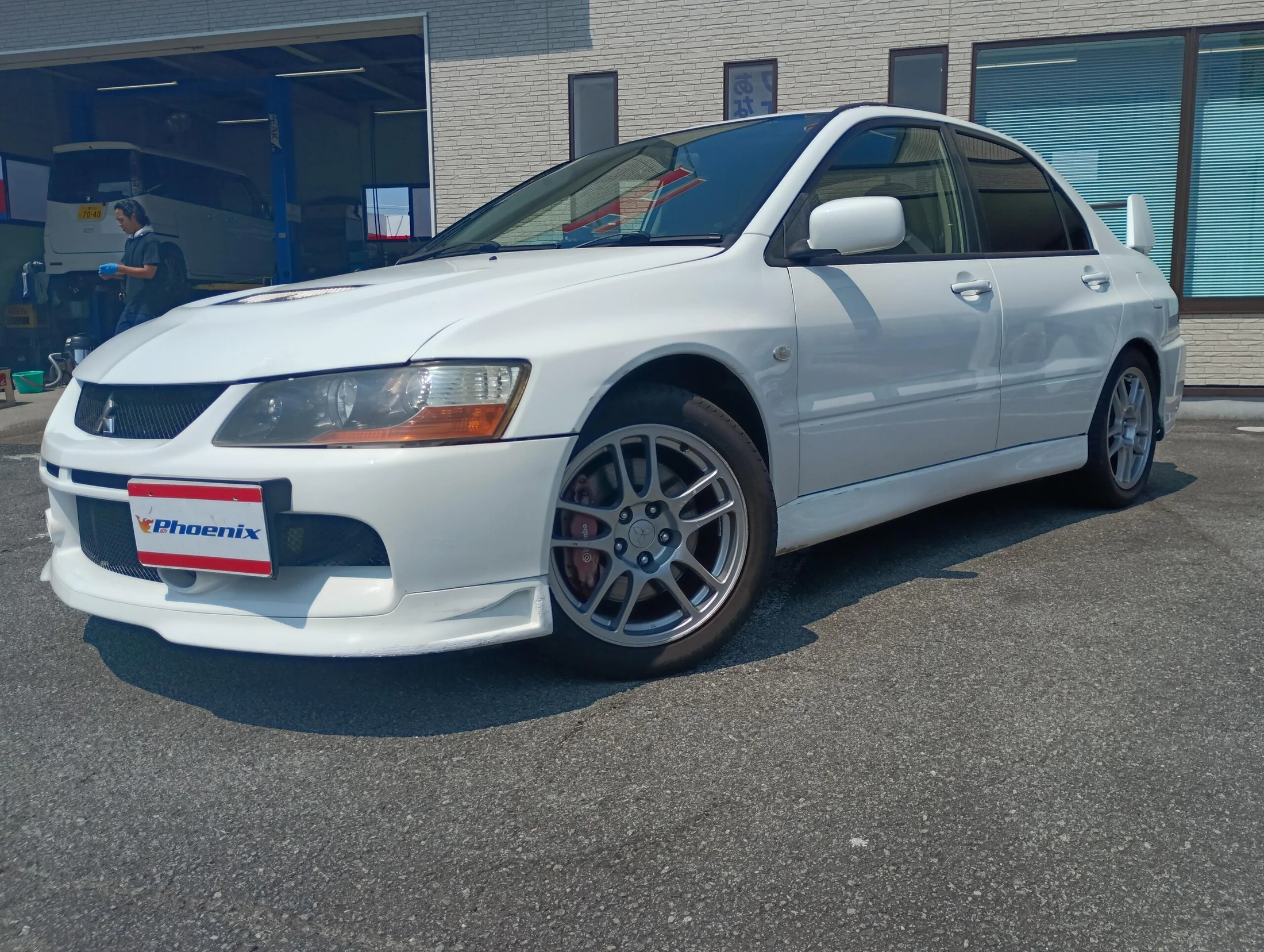
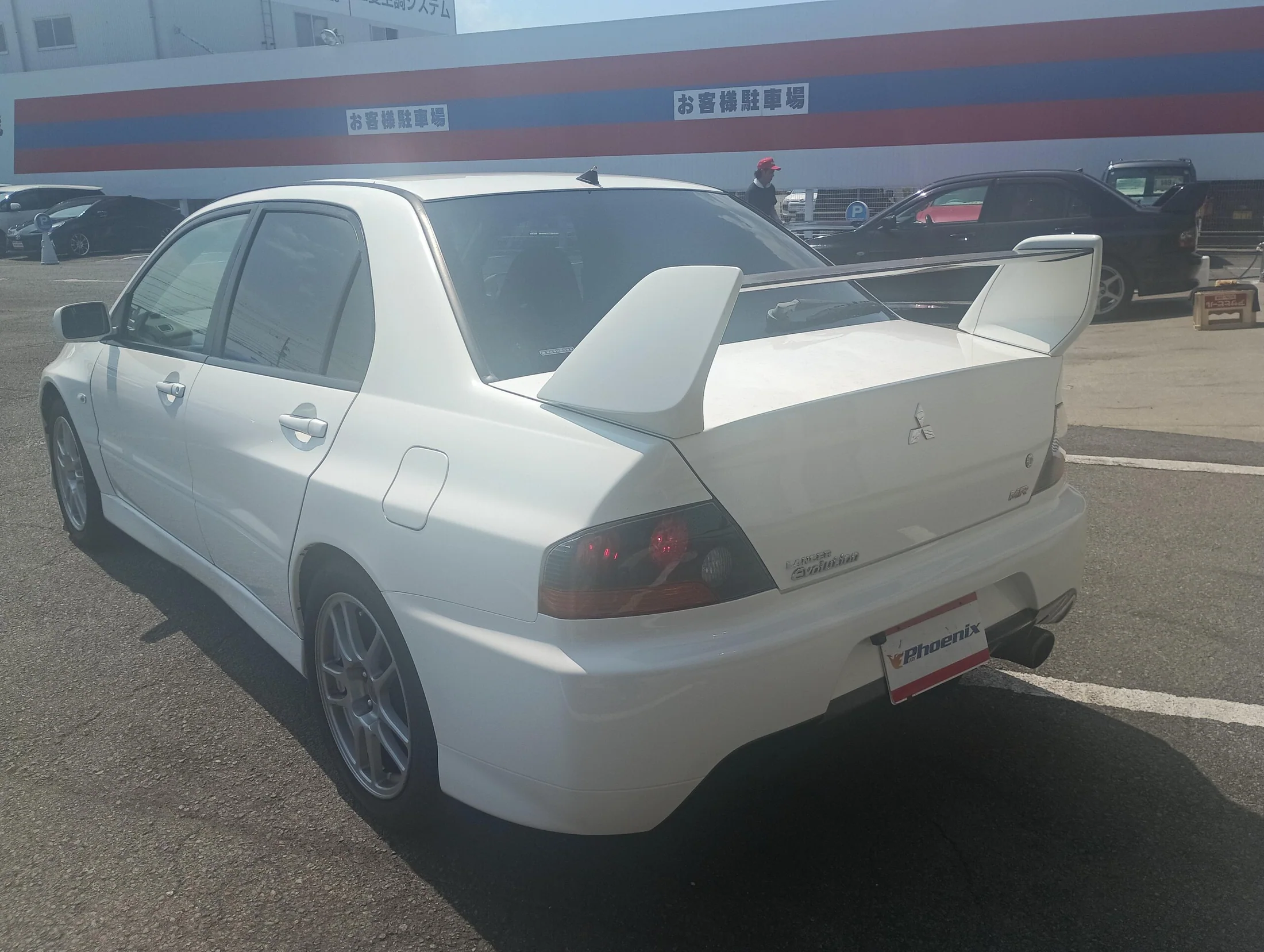
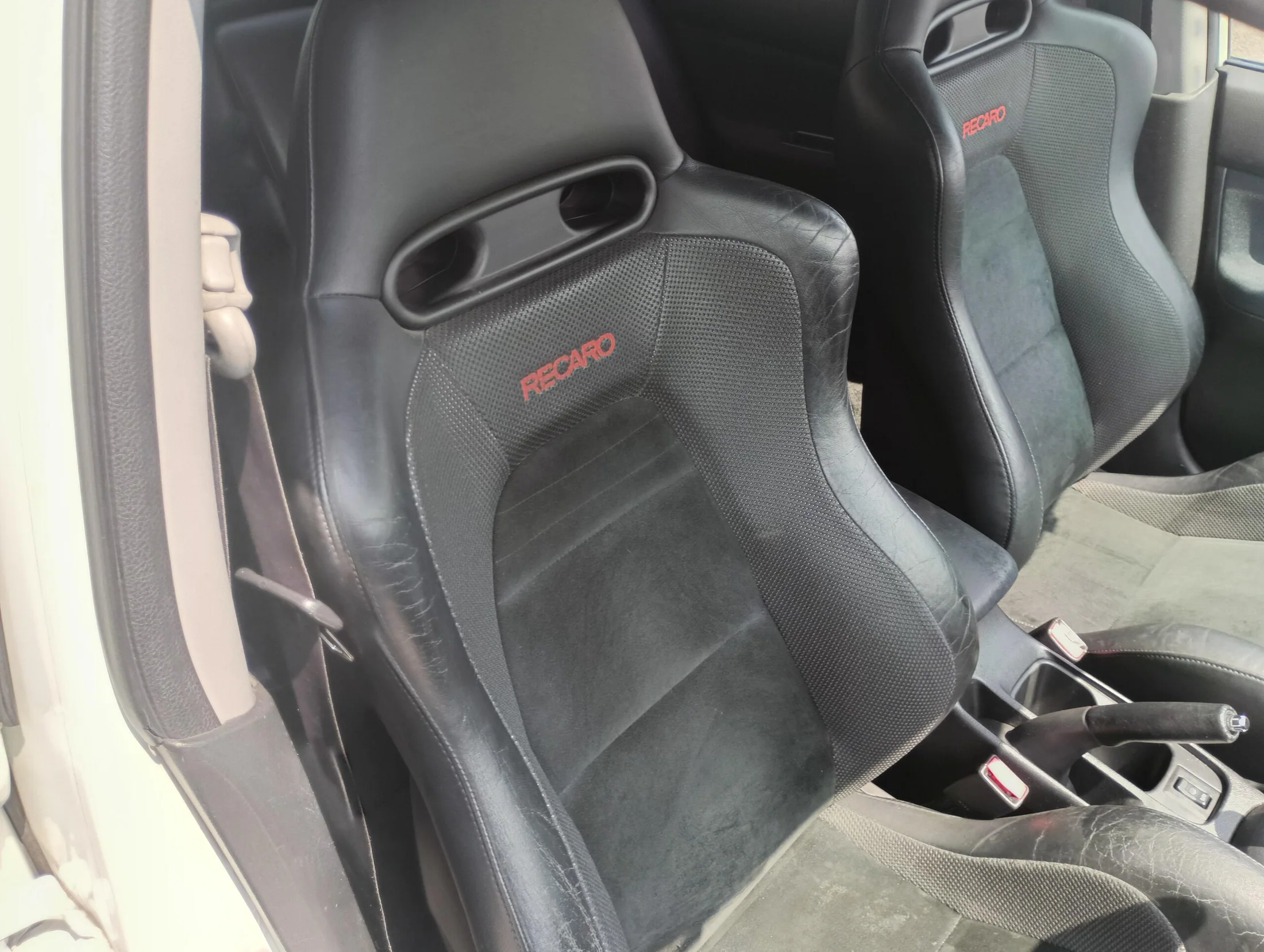
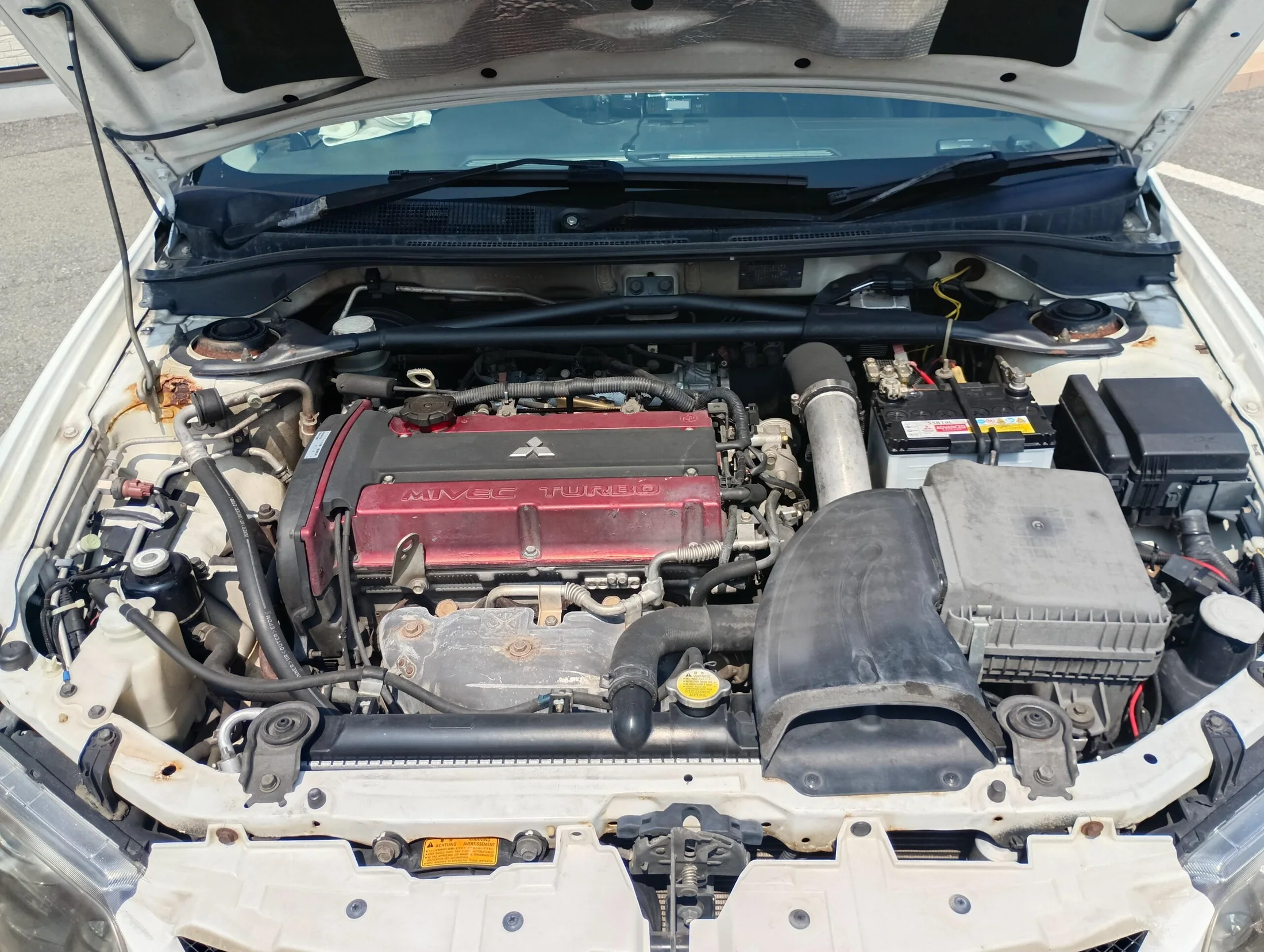
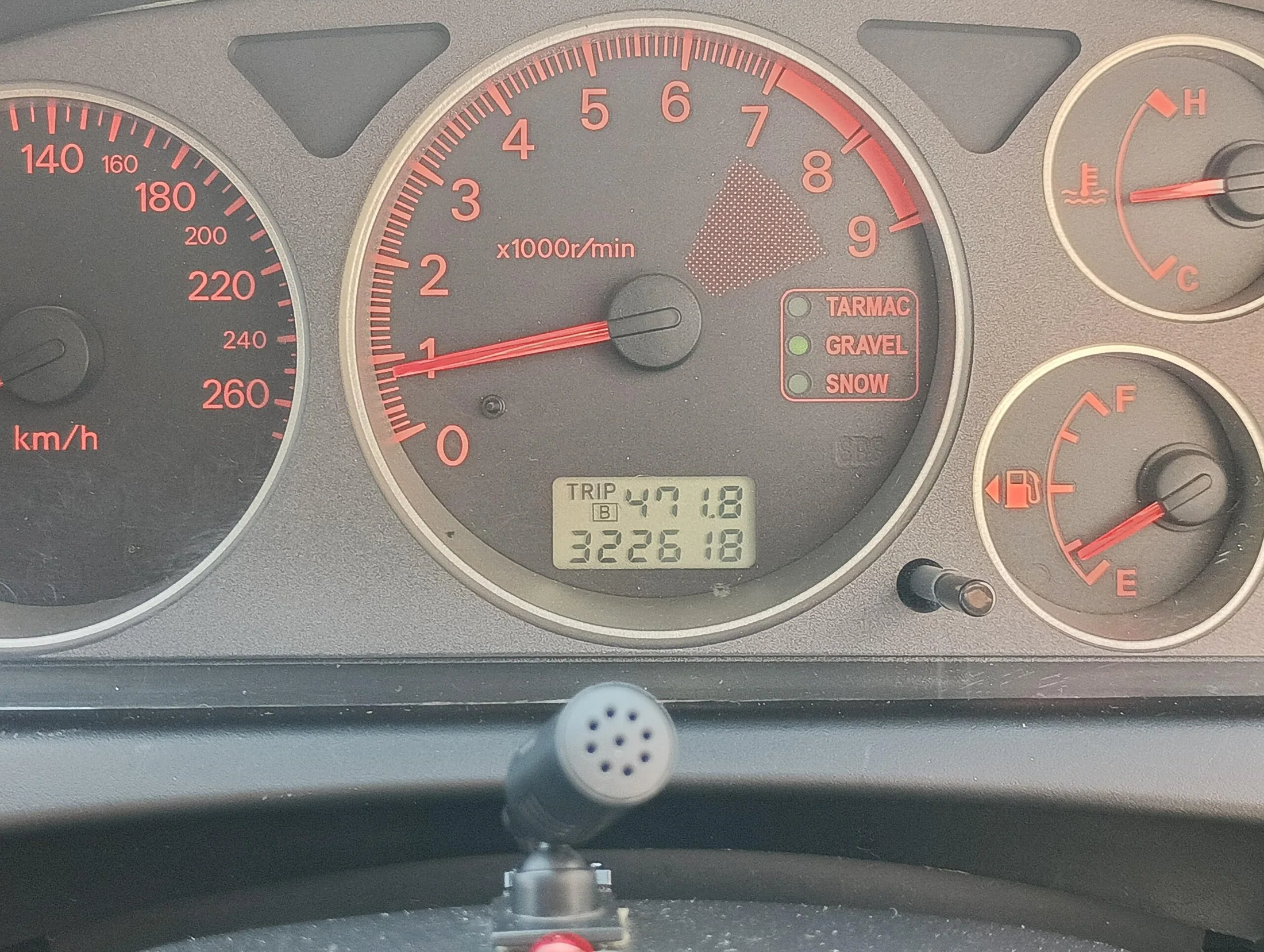
Use the arrows or swipe to browse. Select an image to see it full size.
Photos: Phoenix Mie Matsusaka.
The FK8 is being sold. The Evo may take over daily duty from the Fit, including family and winter use, although I have not even received it yet. It is a family-car plan with considerably more attitude than the original brief required.
So the current situation is that I am building tuning software because my sensible Honda would not cooperate, keeping forged engine parts in boxes until spring, and waiting for a high-mileage Evo to arrive.
I have solved the problem of waiting for one car project by purchasing another car project.
Fucking excellent management.