At 7:30 on the morning of August 3, 2026, we boarded the Shinkansen in Nagaoka with three children and a plan that was either ambitious or evidence of impaired judgment: visit Tokyo DisneySea and Tokyo Disneyland on the same day.
It was fireworks weekend in Nagaoka. The station was hectic, the train was already packed with people going home, and we had not yet reached the part of the day where a mouse charges admission. The ride to Tokyo takes about one hour and fifty minutes. Then comes the ten-minute expedition across the inside of Tokyo Station, followed by another train and the Disney Resort Line. The commute alone has multiple acts.
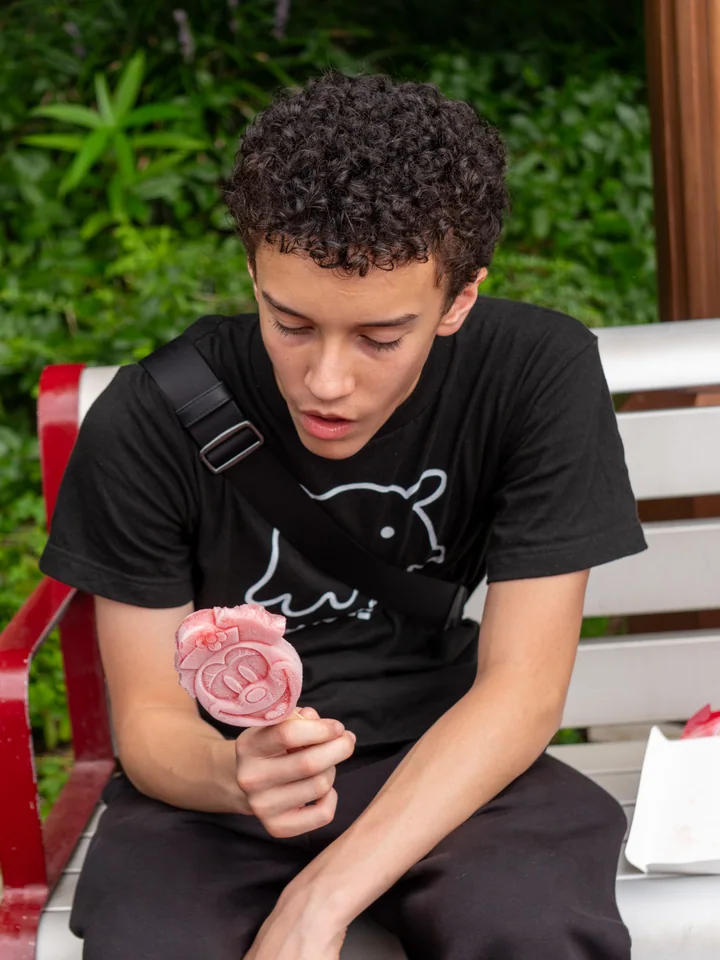
My oldest son had never visited Tokyo Disney. He was also nursing a recent heartbreak and did not especially want to be anywhere. I thought a change of scenery might help. Apparently my parenting philosophy now includes countering emotional pain with themed transportation and aggressively shaped snacks.
A ticket that encourages bad ideas
The limited-period Park Hopper Passport made the experiment possible. It let guests begin in one park and move between Disneyland and DisneySea after 11 a.m. In August 2026, the official prices started at ¥15,300 for an adult, ¥12,600 for a junior, and ¥9,100 for a child.
Those are starting prices, not a total for our family. A family total is the sort of number best approached gradually, in good lighting, with a supportive friend nearby.
Then there was Disney Premier Access. Beauty and the Beast, Rapunzel, and Soaring were each listed at ¥2,000 per eligible person. We bought access for Beauty and the Beast and Rapunzel, and the two oldest children used it for Soaring. I did not get aboard Soaring. This is how family travel works: sometimes you pay for magic, and sometimes you pay so two other people can describe the magic to you later.
The alternative was waiting as long as two hours. The parks did not feel crushingly crowded, but they contained enough people to turn every popular attraction into a small administrative project.
Wonder still works on repeat
I had already ridden Enchanted Tale of Beauty and the Beast twice. Familiarity should have reduced the effect. Instead, the ride amazed me again.
Disney is very good at manipulating scale, movement, music, light, and whatever emotional circuitry makes an adult briefly forget how much the day costs. Everyone was absorbed. My daughter became a little teary. For a few minutes, all five of us shared the same sense of wonder instead of five separate schedules, moods, and battery percentages.
Then it ended.
The only serious flaw with Beauty and the Beast is that it is much too short. You spend more time arranging access, reaching the attraction, and entering the castle than you spend inside the spell. It is a tiny masterpiece delivered with the runtime of an apology.
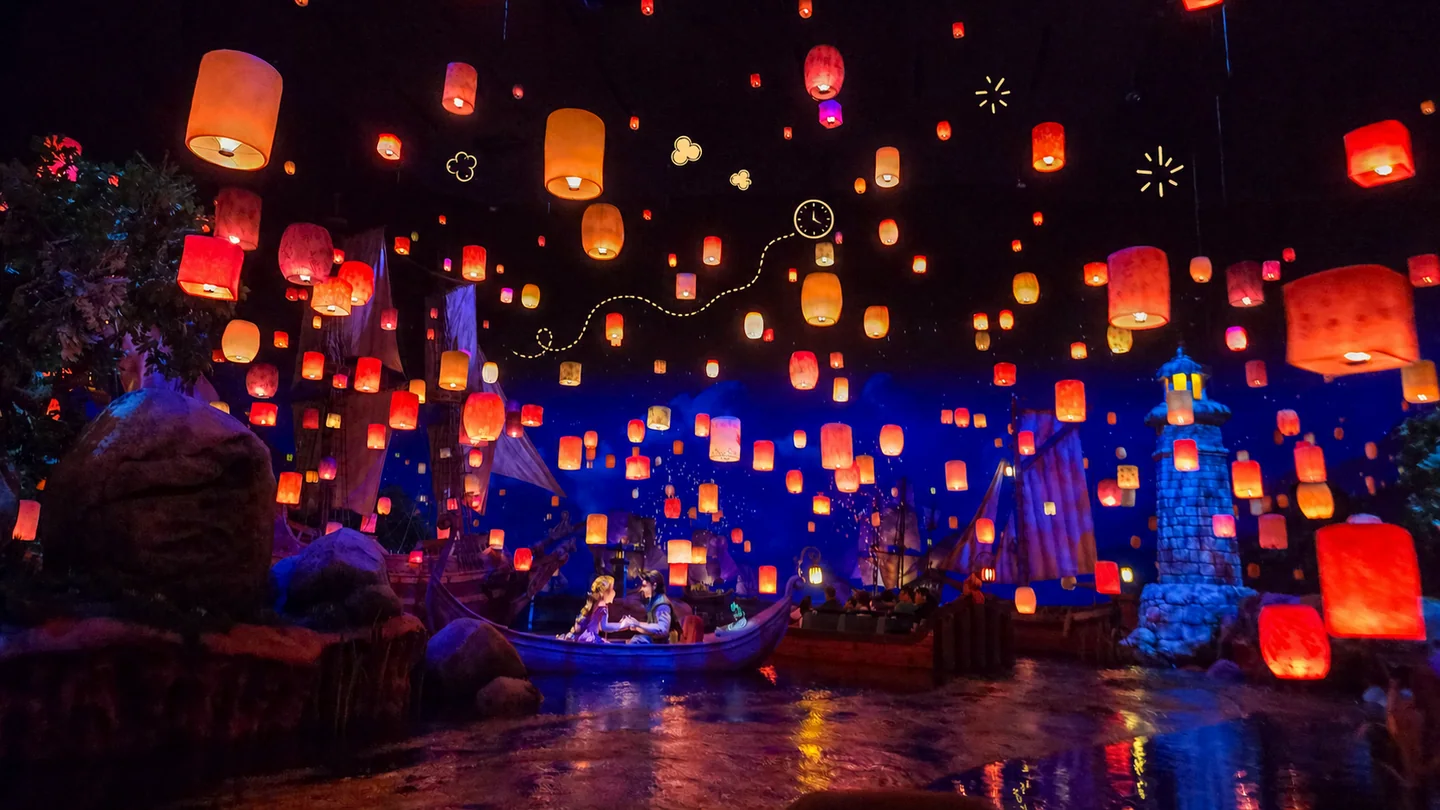
Rapunzel’s Lantern Festival had the same ability to suspend practical thought. The lantern room is beautiful enough that everyone becomes quiet, which is not a small achievement when traveling with three children. We floated through all that impossible light while accepting the theme-park agreement: do not calculate the price per minute while the music is playing.
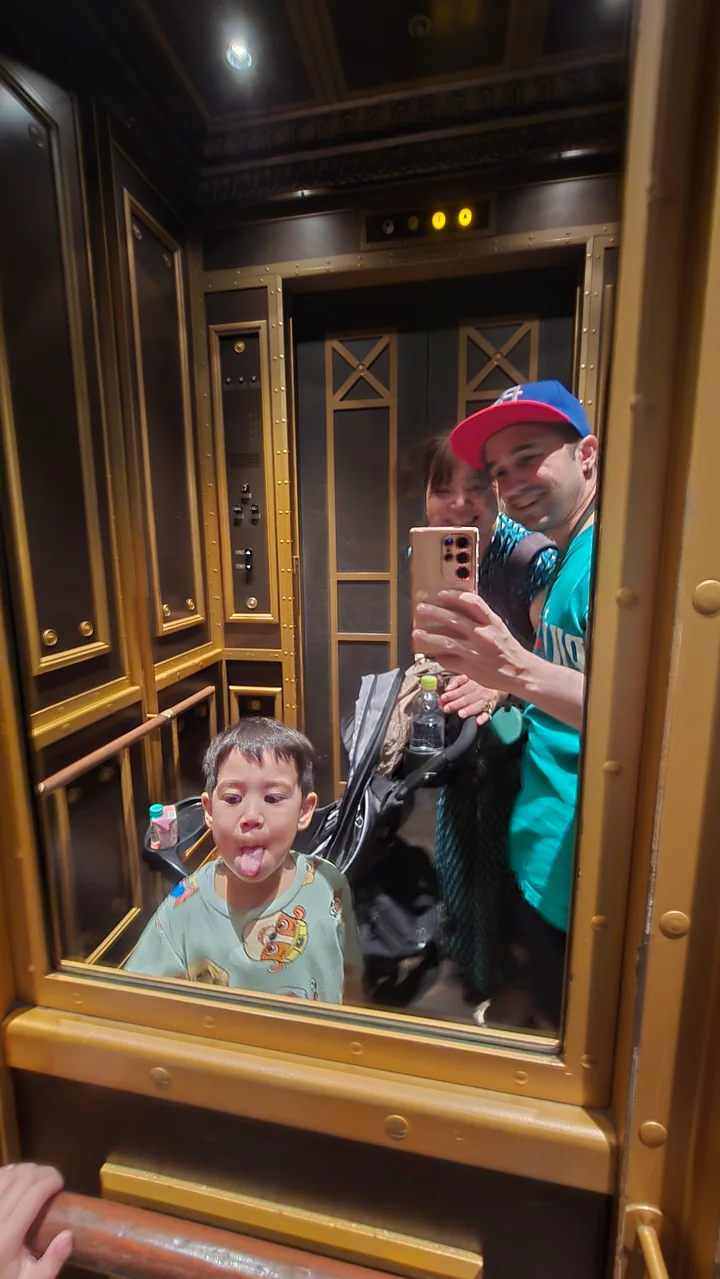
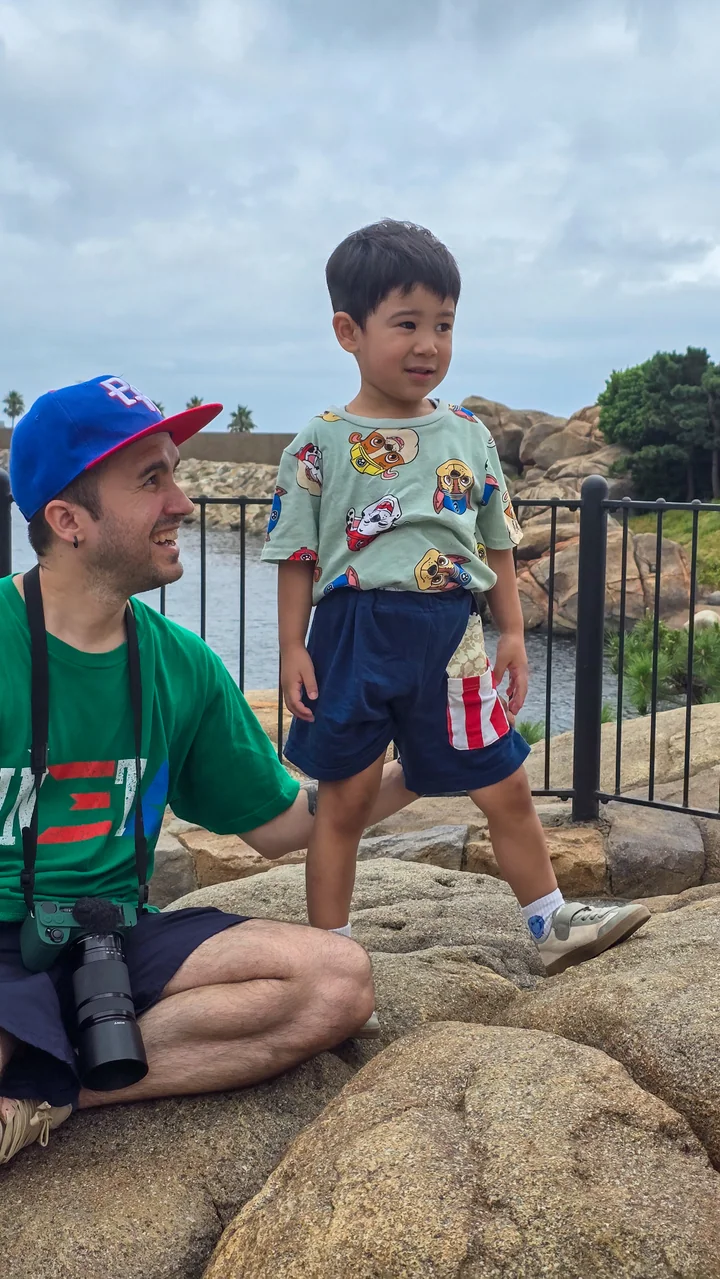
We also used the DisneySea Transit Steamer Line and climbed into one of the vintage cars. Their real magic was not elaborate storytelling. It was moving our entire family while allowing everyone to sit down and call it an attraction.
Pirates, ghosts, and emotional weather
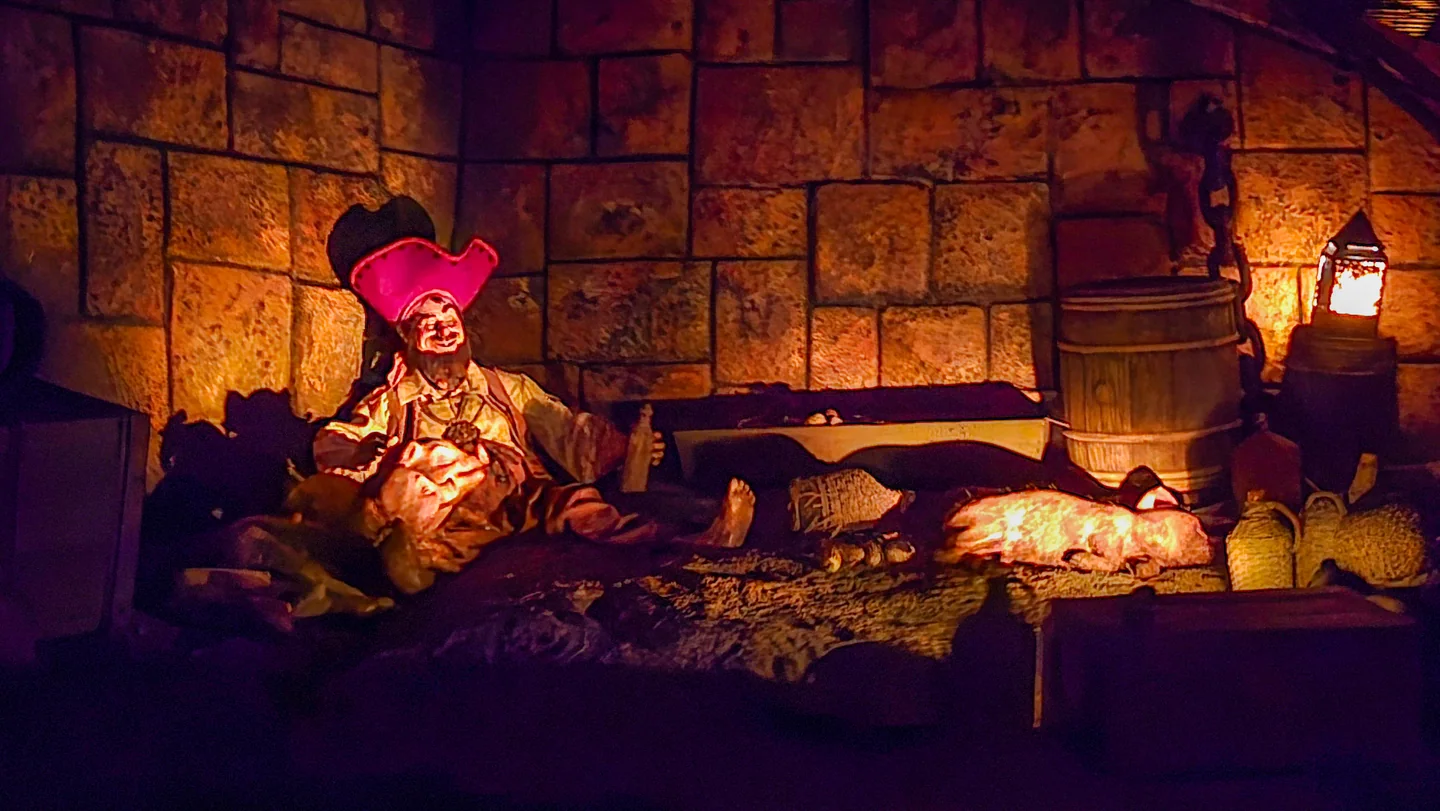
Everyone loved Pirates of the Caribbean. My daughter briefly freaked out during the drop, which is the attraction’s efficient way of reminding passengers that “gentle boat ride” is a category with flexible borders.
At Haunted Mansion, my oldest son and I mostly messed around with the ghosts. That was exactly the right activity for him. No demand to be cheerful, no forced family revelation—just the two of us making jokes in the dark while 999 residents tried to improve their occupancy numbers.
Meanwhile, each child brought a separate weather system.
My oldest son carried the heartbreak he had not wanted to bring to Disney. My daughter had forgotten her portable charger at home, which meant losing her music and therefore, by teenage law, losing access to a basic human right. She was in a bad mood and later did not want to leave, so the day achieved the impressive feat of making her unhappy about both being there and departing.
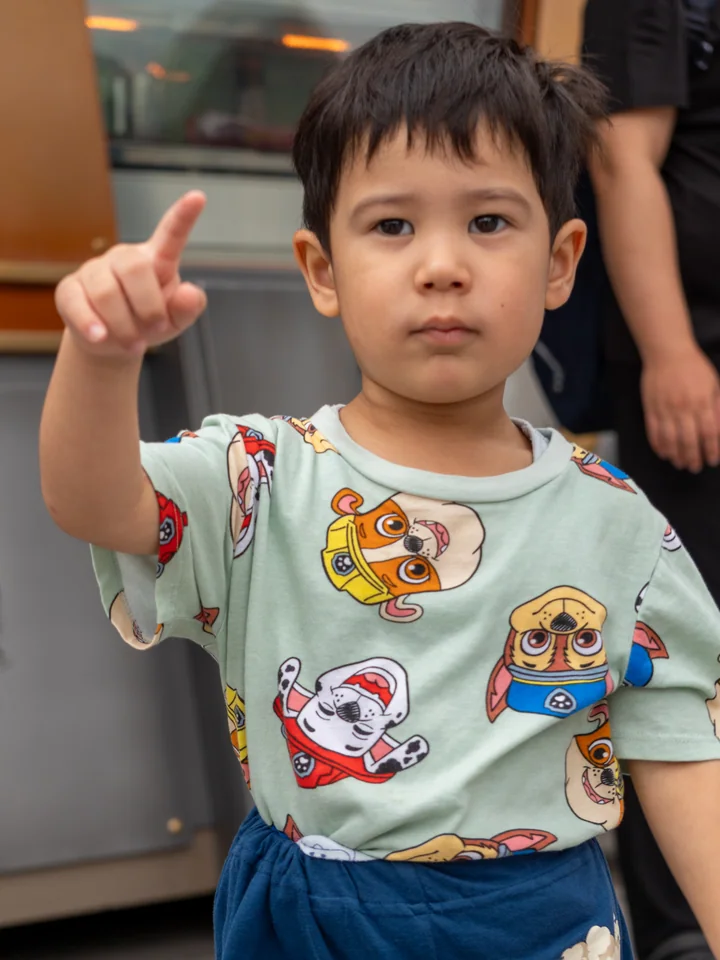
By about 4 p.m., the youngest was sleepy and grumpy. He had entered the small-child stage where every request is unreasonable, including walking, sitting, eating, not eating, being carried, and being placed back on the ground.
We fed the situation. There were Mickey-shaped nuggets, old-fashioned sandwiches, pizza, churros, a turkey leg, and four kinds of popcorn: cheddar, soy sauce, caramel, and salt. Four flavors may sound excessive, but this was field research conducted under demanding conditions.
The smallest person became the glue
Somewhere between the queues, snacks, boats, music, bad moods, and negotiations, something happened that I had not planned.
The three children bonded.
They hugged one another. They looked after the youngest. He became the glue between an older brother trying not to care and a sister experiencing a communications crisis at zero percent battery. He was tired and difficult and also the person who kept pulling everyone into the same orbit.
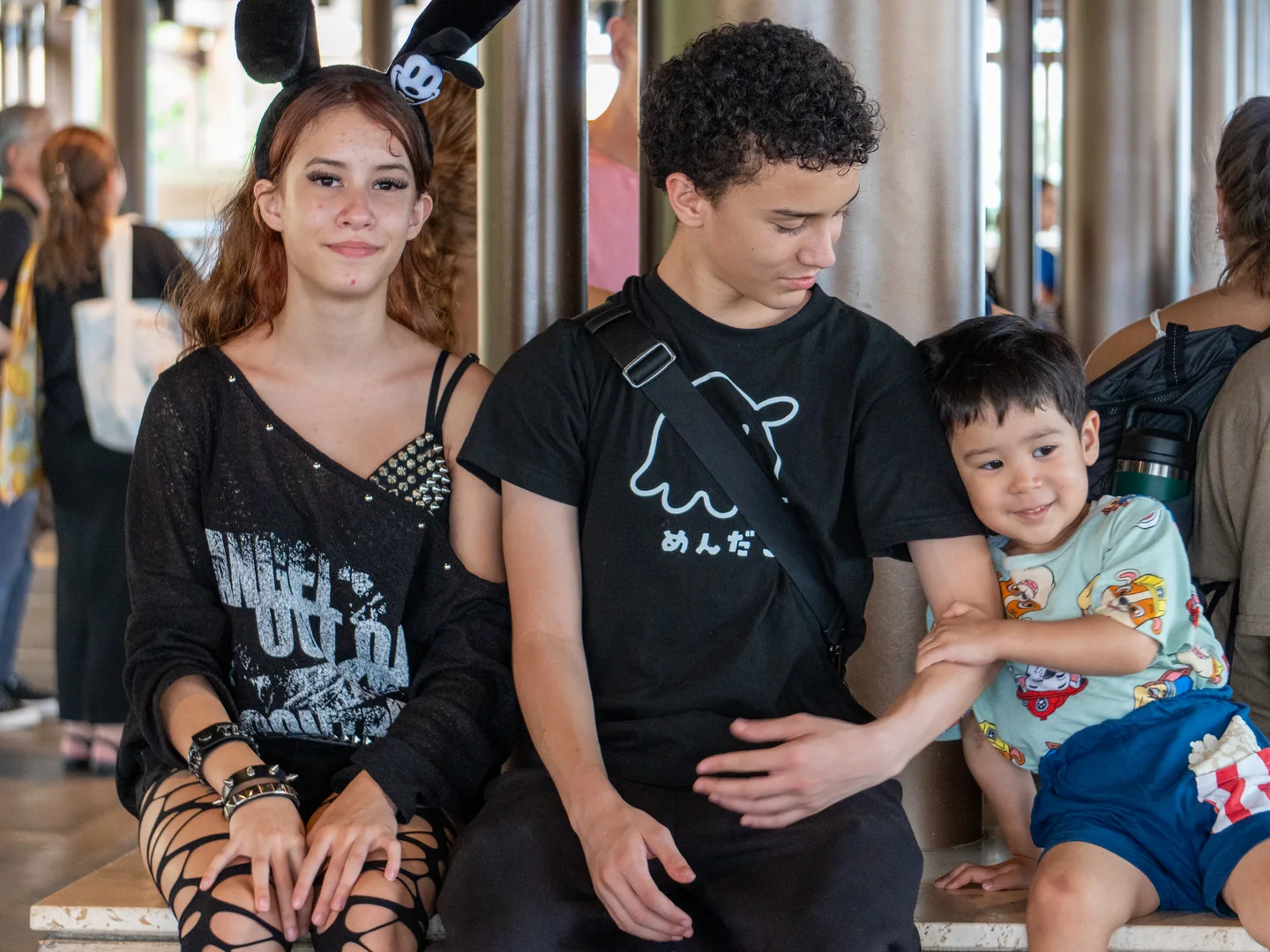
This was their first time connecting that way. Not posing because an adult demanded a photograph, but naturally leaning into one another. Family trips are often sold as machines that manufacture memories. Usually they manufacture arguments, receipts, and photographs of people asking when they can sit down.
But sometimes the machine works.
The return trip is part of the price
Going home meant reversing the entire operation: the Disney Resort Line, the walk across Tokyo Station, the Shinkansen, and another one hour and fifty minutes back to Nagaoka. The exhaustion did not belong only to the children. My wife and I were carrying bags, monitoring moods, calculating connections, and trying to move five bodies through some of the busiest transportation infrastructure on Earth.
The real cost of a family Disney day is not just the pass, Premier Access, food, and train fare. It is attention. Every adult decision is multiplied: who needs the bathroom, who is hungry, whose phone is dying, who can handle the next queue, who needs to be left alone, and whether one more attraction will create joy or an international incident.
Still, the moment we heard the Disney music, the nostalgia worked. It made the packed morning train and the long walk through Tokyo Station feel like part of a journey rather than an obstacle. Even on my third Beauty and the Beast ride, I was surprised. Even with one child heartbroken, another chargerless, and another collapsing into sleep-deprived rebellion, wonder kept breaking through.
Taking three children to both parks in one day was expensive, inefficient, and exhausting.
I would not describe it as relaxing.
I would describe it as worth it.